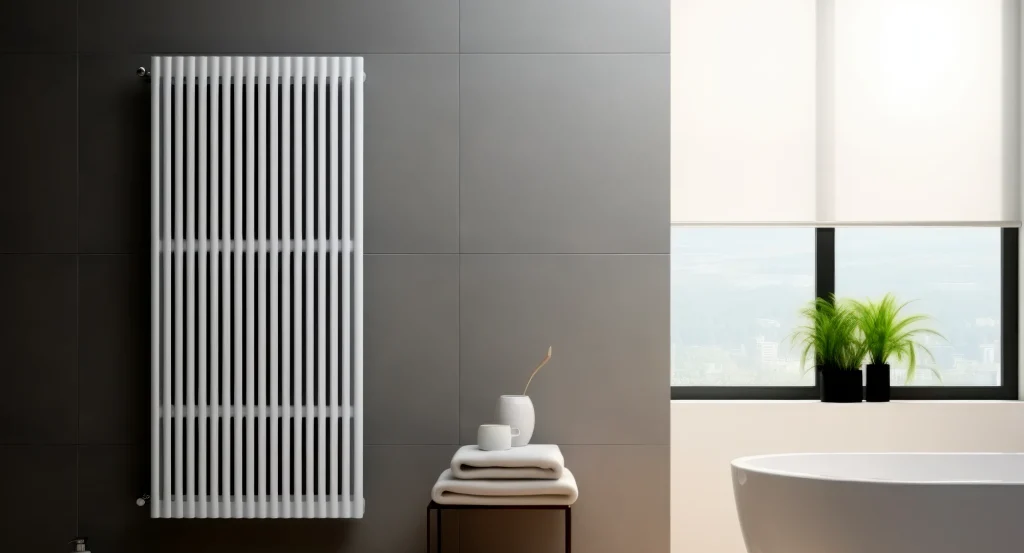
Designer radiators are more than just a practical home heating solution—they add style and sophistication to any space.
However, like any household fixture, they require regular maintenance to ensure they function efficiently and retain their aesthetic appeal. Neglecting radiator care can lead to a buildup of dust, reduced heat output, and even long-term damage that may be costly to repair.
By implementing a simple cleaning and maintenance routine, you can extend the lifespan of your radiator while keeping your home warm and energy-efficient.
Whether your radiator is a sleek modern design or a traditional column style, taking the time to maintain it properly will ensure it remains in top condition for years to come.
Why Regular Maintenance Is Essential
Over time, dust and dirt can accumulate on the surface and inside the fins of your radiator, reducing its ability to distribute heat efficiently.
A blocked or dirty radiator has to work harder to warm up a room, leading to increased energy consumption and higher heating bills. Regular cleaning prevents this buildup, allowing your radiator to operate at its full potential.
Beyond efficiency, proper maintenance also preserves the appearance of your designer radiator. Many high-end radiators feature premium finishes, such as chrome, anthracite, or brushed stainless steel, which can lose their shine if not cared for properly.
Routine cleaning prevents discolouration, rust, and general wear, ensuring that your radiator remains a stylish centrepiece in your home.
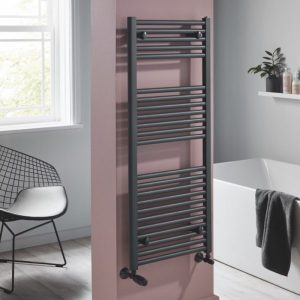
Tools and Materials Needed
Cleaning your radiator doesn’t require any specialised equipment, but having the right tools on hand makes the job easier. A soft microfibre cloth is essential for wiping down surfaces without scratching or damaging the finish.
For deeper cleaning, warm soapy water or a mild, non-abrasive cleaning solution will help remove grime without harming the radiator’s coating.
For hard-to-reach areas, a radiator brush or a vacuum cleaner with a brush attachment is useful for getting rid of dust trapped between the fins.
A radiator key is also handy for bleeding the system, ensuring any trapped air is removed for optimal heating performance. Additionally, if you live in an area with hard water, white vinegar can help break down limescale deposits that may form inside the radiator.
How to Clean Your Designer Radiator
External Cleaning (For Appearance and Hygiene)
Before cleaning, always turn off your radiator and allow it to cool completely to avoid burns or streaking. Begin by using a dry microfibre cloth to wipe down the surface, removing any loose dust and debris.
For a more thorough clean, dampen the cloth with warm, soapy water and gently wipe the radiator, taking care to avoid excess moisture on electrical components if your radiator is electric.
To clean behind and between the radiator panels, use a soft-bristled radiator brush or a vacuum cleaner with a brush attachment. These tools allow you to reach hidden dust that can accumulate over time, reducing efficiency.
Once the radiator is dust-free, use a dry cloth to buff the surface and restore its original shine. For metal finishes, a gentle polish can be applied to keep them looking pristine.

Internal Cleaning (For Performance and Efficiency)
Maintaining the inside of your radiator is just as important as keeping the exterior clean. Over time, air can become trapped inside the radiator, creating cold spots and reducing heating efficiency.
To prevent this, regularly bleed your radiator using a radiator key, which releases trapped air and ensures even heat distribution.
If you notice persistent cold spots despite bleeding the radiator, there may be sludge or rust buildup inside the system. In this case, flushing the radiator with clean water or adding a central heating inhibitor can help remove blockages and improve performance.
For severe buildup, it may be best to have your system power-flushed by a professional to restore full efficiency.
Preventing Damage and Wear
When cleaning your radiator, avoid using harsh chemicals or abrasive sponges, as these can scratch or strip protective coatings.
Instead, opt for gentle cleaning solutions and soft cloths to preserve the finish. If your radiator is painted, be mindful of chipping and touch up any small imperfections to prevent rust from forming.
Another way to prevent damage is to avoid placing heavy objects on top of the radiator or leaving damp towels hanging for extended periods, as this can lead to corrosion.
Regularly inspect your radiator for leaks, rust, or unusual noises, as these could be early signs of potential issues. Addressing small problems early can prevent costly repairs later on.

Seasonal Radiator Maintenance Tips
As the colder months approach, preparing your radiators for increased use is a good idea. Before winter, bleed your radiators to remove trapped air and ensure they are heating efficiently.
Give them a thorough cleaning to remove dust and check for any signs of wear or damage. This will help your heating system work optimally when you need it the most.
At the end of winter, take the time to clean your radiators again and inspect them for any issues that may have developed over the season.
If your home uses a central heating system, consider servicing it to ensure it remains in peak condition. Keeping up with seasonal maintenance ensures your radiators continue to function effectively year after year.
Conclusion
Maintaining and cleaning your designer radiators is a simple yet effective way to keep them looking and performing at their best.
Regular upkeep not only improves energy efficiency but also preserves the stylish appearance of your radiators, ensuring they remain an attractive feature in your home.
By incorporating these maintenance steps into your routine, you can extend the lifespan of your radiators and enjoy a warm, comfortable home all year round.
A little effort goes a long way in keeping your heating system in prime condition while also reducing energy costs and preventing unexpected repairs.